Imagine you're in a foreign country, trying to find your way to a famous local landmark. You approach someone who speaks only a little of your language. You could simply ask, "Where is it?" But you'd likely get a confused look or vague directions. Instead, you might pull out your phone, show a picture, point at a map, and ask, "How many minutes walking to reach this place?" The difference in response would be dramatic.
In that moment, you've intuitively grasped what AI researchers and enthusiasts spend considerable time mastering: the art of formulating questions to get the most useful answers. This skill—what some call "prompt engineering"—might be the most valuable communication ability of modern times.
Why How We Ask Matters
Have you ever wondered why the same AI might give wildly different answers to what seems like the same question? The variance isn't entirely random—it's a direct response to the subtle cues embedded in your request.
When we interact with another human, we rely on countless implicit signals—facial expressions, tone of voice, shared cultural context—to shape our communication. With AI, we lose these channels, leaving only our words to convey not just what we want to know, but how we want to know it.
"The way we frame a question fundamentally alters how our minds approach the problem."
This principle applies doubly when communicating with artificial intelligence, which lacks the intuitive gap-filling abilities humans use in conversation.

There's something almost poetic in this new form of dialogue we're learning—this delicate dance between human intention and machine interpretation. Like whispers passed through water, our words ripple through layers of mathematical probability, transformed and refracted, before returning as response.
We stand at the shoreline between two forms of intelligence, learning to translate the language of one world into another. In these translations, as in all such crossings, something is invariably lost; yet something entirely new can also be born—insights neither human nor machine might have reached alone, emerging from the space between.
The Psychology Behind Effective Prompts
What makes one prompt succeed where another fails? The answer lies in understanding both the psychology of clear communication and the architecture of how AI processes information.
Consider two approaches to the same request:
"Tell me about climate change."
Versus:
"Explain the three most significant contributors to climate change, their mechanisms of action, and the evidence supporting their impact. Include contrasting scientific perspectives where relevant."
The first prompt is like walking into a library and asking for "books about stuff." The second creates a clear mental framework—both for you and the AI—establishing expectations, boundaries, and success criteria.
Formulas That Unlock Better Responses
Like a chemist combining elements to create predictable reactions, effective prompting often follows patterns that consistently yield better results. Here are some of the most powerful:
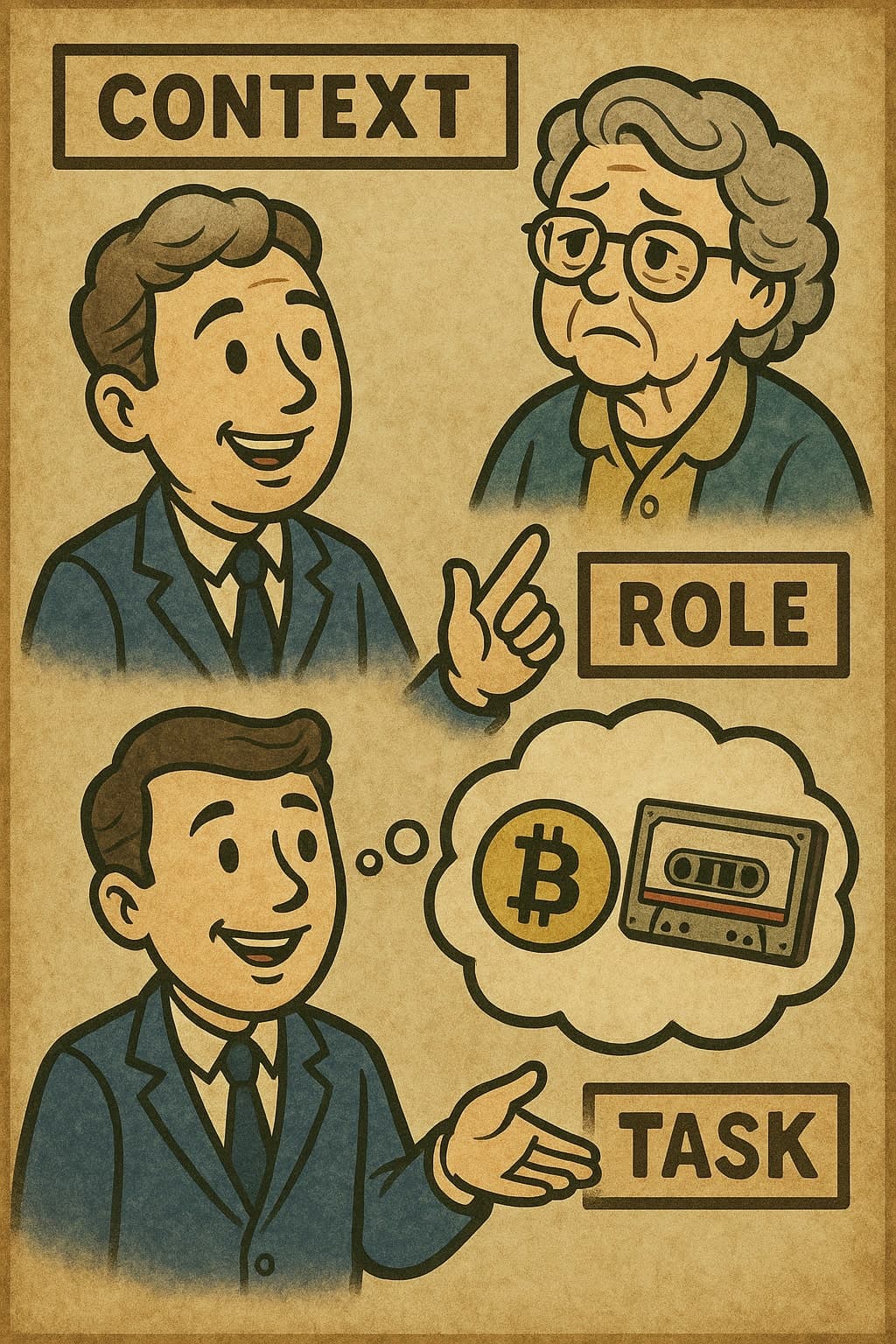
The Context-Role-Task Formula
Have you noticed how differently you might speak when talking to your grandmother versus your best friend? This formula leverages that psychological pattern by establishing:
- Context: "I'm trying to explain cryptocurrency to my grandmother who uses email but is generally wary of technology."
- Role: "Act as a patient financial advisor who specializes in explaining complex concepts to seniors."
- Task: "Create an analogy comparing Bitcoin to something from everyday life in the 1980s, when she was my age."
This approach works because it triggers the AI to access specific knowledge frameworks and communication styles from within its training data, much like how humans adapt their communication based on social context.
The Thinking Aloud Method
Remember when your math teacher insisted you show your work? That principle underlies this technique:
"Walk through how you would determine the environmental impact of switching from beef to plant-based meat alternatives. Consider agricultural land use, water consumption, greenhouse gas emissions, and potential nutritional differences. At each step, explain your reasoning and note where data might be uncertain."
By asking the AI to reveal its analytical process, you're essentially requesting metacognition—thinking about thinking—which typically leads to more thorough, considered responses.

The Perspective-Shifting Approach
Our viewpoints constrain our thinking in ways we rarely notice. This formula deliberately breaks those constraints:
"Explain the debate around universal basic income from three perspectives: a libertarian economist, a progressive social worker, and a technology CEO concerned about automation. What points of agreement might exist between these viewpoints?"
This works because it prevents the single-perspective bias that psychologists have shown limits human problem-solving ability. When we—or AI—are forced to consider multiple frames, we discover insights invisible from any single vantage point.
Embedded Assumptions: The Values Hiding in Our Questions
Have you considered that how we ask questions of AI might have subtle long-term implications? The psychologist Elizabeth Loftus demonstrated how eyewitness testimony could be manipulated simply by changing how questions were phrased. Similarly, our prompts can unintentionally bias AI responses.
For instance, asking "Why is this policy harmful?" presupposes harm exists, while "What are the potential benefits and drawbacks of this policy?" allows for a more balanced assessment.
This matters because as AI systems become more integrated into decision-making processes, the questions we ask them will increasingly shape our collective viewpoints.
Becoming a Better Prompt Artist
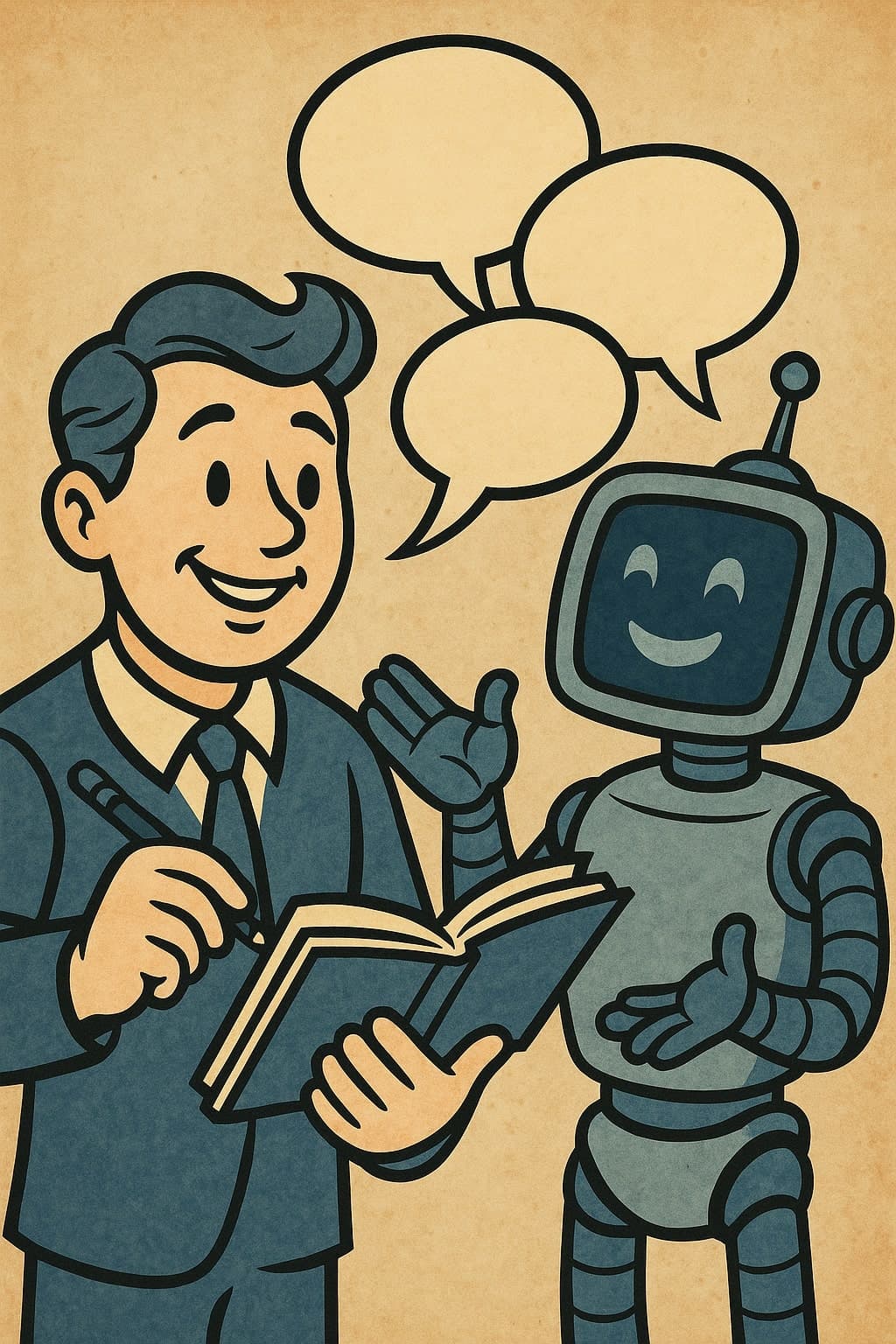
Mastering this communication art isn't just about following formulas—it's about developing an intuitive sense for dialogue with AI systems. Start by observing the relationship between your questions and the answers you receive. What patterns emerge? When are responses most helpful? When do they miss the mark?
Like learning a musical instrument, improvement comes through deliberate practice and attentive listening to the results. You might keep a journal of particularly effective or ineffective prompts, noting what elements seemed to make the difference.
Remember that different AI systems may respond differently to the same prompting techniques. What works brilliantly with one might fall flat with another—just as communication strategies that connect with one person might confuse another.
Practical Frameworks to Try Today
Let's explore some additional prompt frameworks you can experiment with immediately. These approaches tap into different cognitive processes and can dramatically improve the quality of AI-generated responses.
The Constraint Optimization Framework
Have you ever noticed how restrictions can sometimes unleash creativity rather than limit it? This approach leverages that paradox:
"Write a summary of how software development works that uses only metaphors related to cooking and food preparation. The explanation should be accurate while being accessible to someone with no computer science background."
This works because constraints force both human and artificial minds to forge new neural pathways. When we can't rely on standard explanations, we're pushed to make novel connections—often resulting in insights that are both more memorable and more illuminating.

The Socratic Method Framework
Socrates taught not by lecturing but by asking sequences of questions that led students to discover insights themselves. This approach adapts that ancient technique:
"I'm trying to decide whether to pursue a career change at age 45." Instead of giving me advice directly, ask me a series of five probing questions that would help me think through this decision more clearly. Each question should build on the previous one, assuming I've reflected on it.
This framework works because it activates what psychologists call "elaborative rehearsal"—a deeper form of processing information by connecting it to existing knowledge and examining it from multiple angles.
The Format Constraint Approach
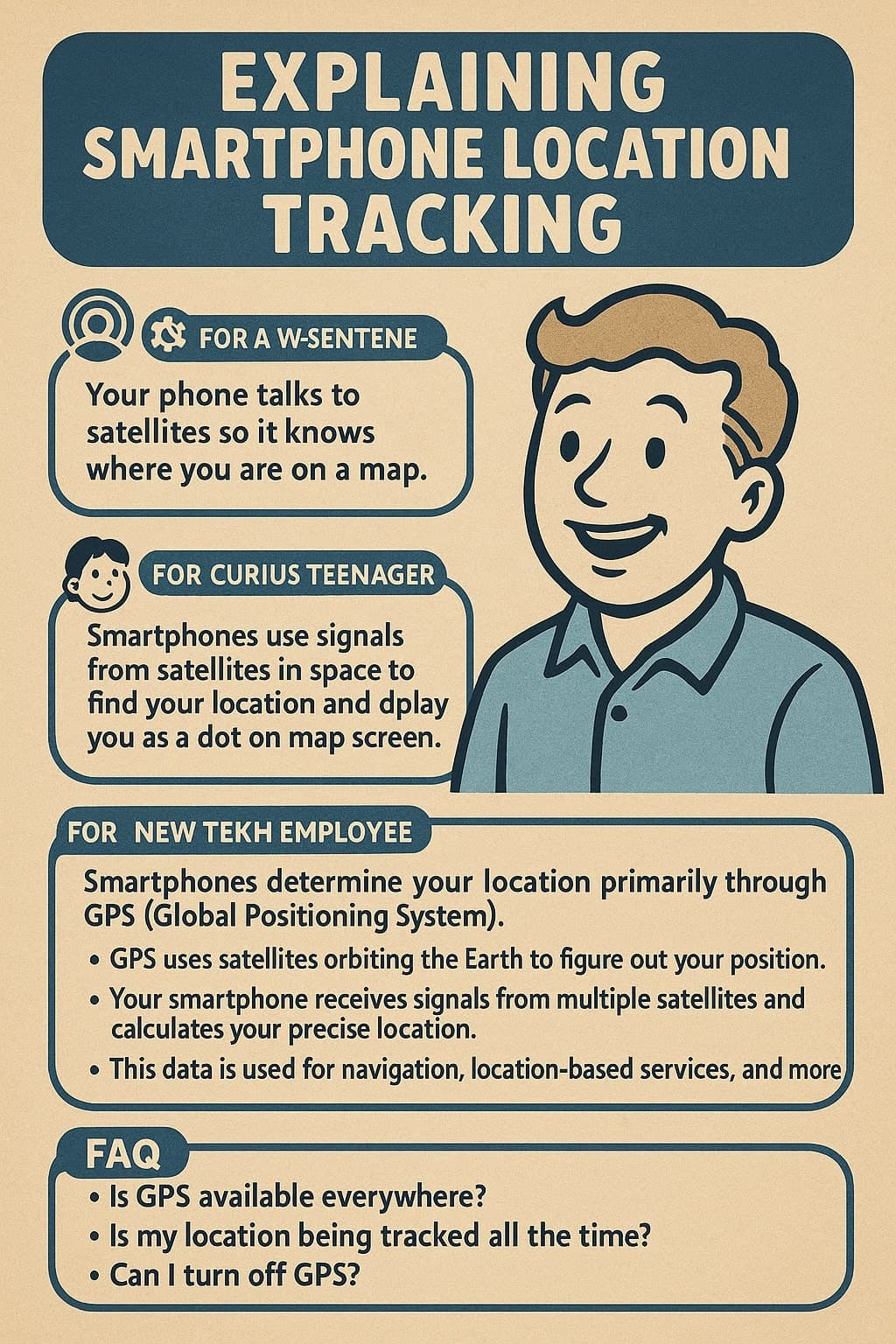
Consider how differently you might explain something to different people in your life. This framework uses format specifications to shape the AI's response:
Explain how smartphones know your location and show you on a map. Structure your response as:
- A one-sentence explanation for a young child
- A brief paragraph for a curious teenager
- A detailed explanation for a new tech employee with key points highlighted
- FAQ section addressing common questions people have
This approach uses cognitive chunking—our brain's natural tendency to process information more effectively when organized into meaningful groups. The clear structure helps both you and the AI organize complex information in a way that's easy to understand and remember.
The Future of Human-AI Conversation
At the beginning of this new frontier, I think it's worth asking: How might our relationship with AI evolve as we become more sophisticated questioners? Will we develop new linguistic patterns specifically for human-AI interaction? Could these patterns eventually influence how we communicate with each other?
"The limits of my language mean the limits of my world."
As we expand our ability to communicate effectively with artificial intelligence, we may find ourselves discovering entirely new territories of thought—not because the AI creates them, but because our questions help us see what was previously invisible.
The art of asking good questions has always been central to human knowledge. Now, as we direct these questions to increasingly capable artificial minds, that art takes on new dimensions and importance. By understanding the psychology and patterns behind effective prompting, we do more than get better answers—we reshape the very questions we're capable of asking and gain introspection into how we think and how to communicate more effectively.
Share this: