Picture this: It's mid-afternoon. Your fingers move across the keyboard with unexpected precision. The project you've been struggling with for days suddenly comes together. The design problem that seemed impossible now has an elegant solution. Your email responses are crisp and clear. You haven't checked social media, thought about snacks, or even registered the construction noise outside your window. When you finally pause, you're surprised to find that two hours have vanished in what felt like twenty minutes.
You've just experienced flow state. Now, how do you get back to it?
What Is Flow, Really?
Psychologist Mihaly Csikszentmihalyi (pronounced "chick-sent-me-high") discovered that people are happiest when completely absorbed in an activity that balances challenge with skill. He called this mental state "flow".
In flow, your attention isn't divided. You're fully present. The activity itself becomes the reward rather than some future outcome. Time warps. Self-consciousness fades. Work feels effortless despite requiring intense concentration.
Sound familiar?
What Happens in Your Brain
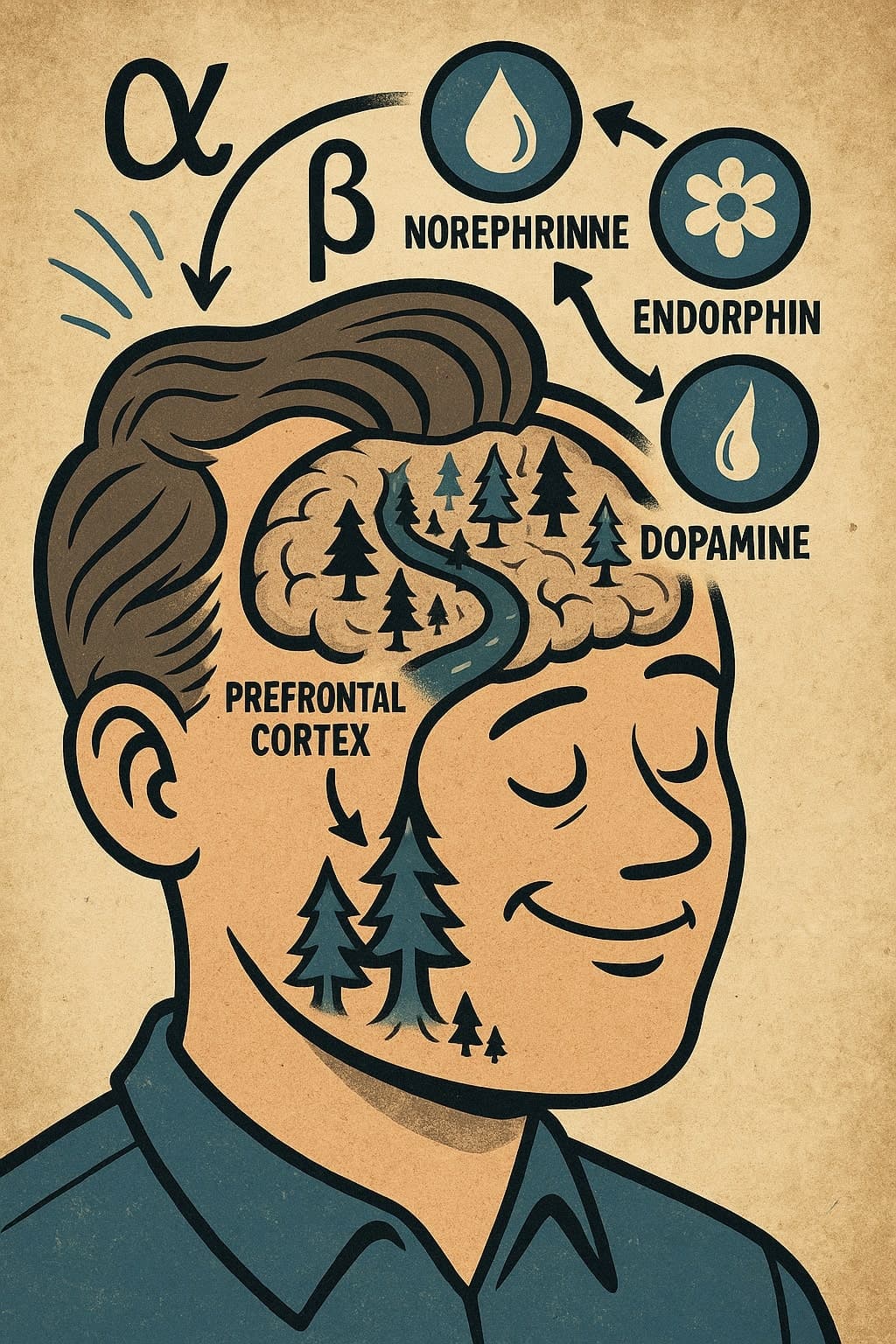
During flow, your brain shifts from scattered beta waves to more focused alpha waves. The prefrontal cortex (your inner critic) quiets down. Meanwhile, your brain releases a performance-enhancing cocktail: dopamine for pleasure, norepinephrine for focus, and endorphins for that post-flow satisfaction.
It's like your brain found a shortcut through the forest while your usual path requires hacking through underbrush.
Digital Flow Triggers
For those who work with screens (not just coders, but designers, writers, analysts, marketers, and virtually any digital profession), flow appears when:
- The challenge matches your skill level – Not so easy you're bored, not so hard you're frustrated
- You receive immediate feedback – You can see your work taking shape in real-time
- Your tools become invisible – Your software feels like an extension of your thinking
- You're working on something meaningful – The task connects to your values or larger purpose
The Modern Attention Crisis
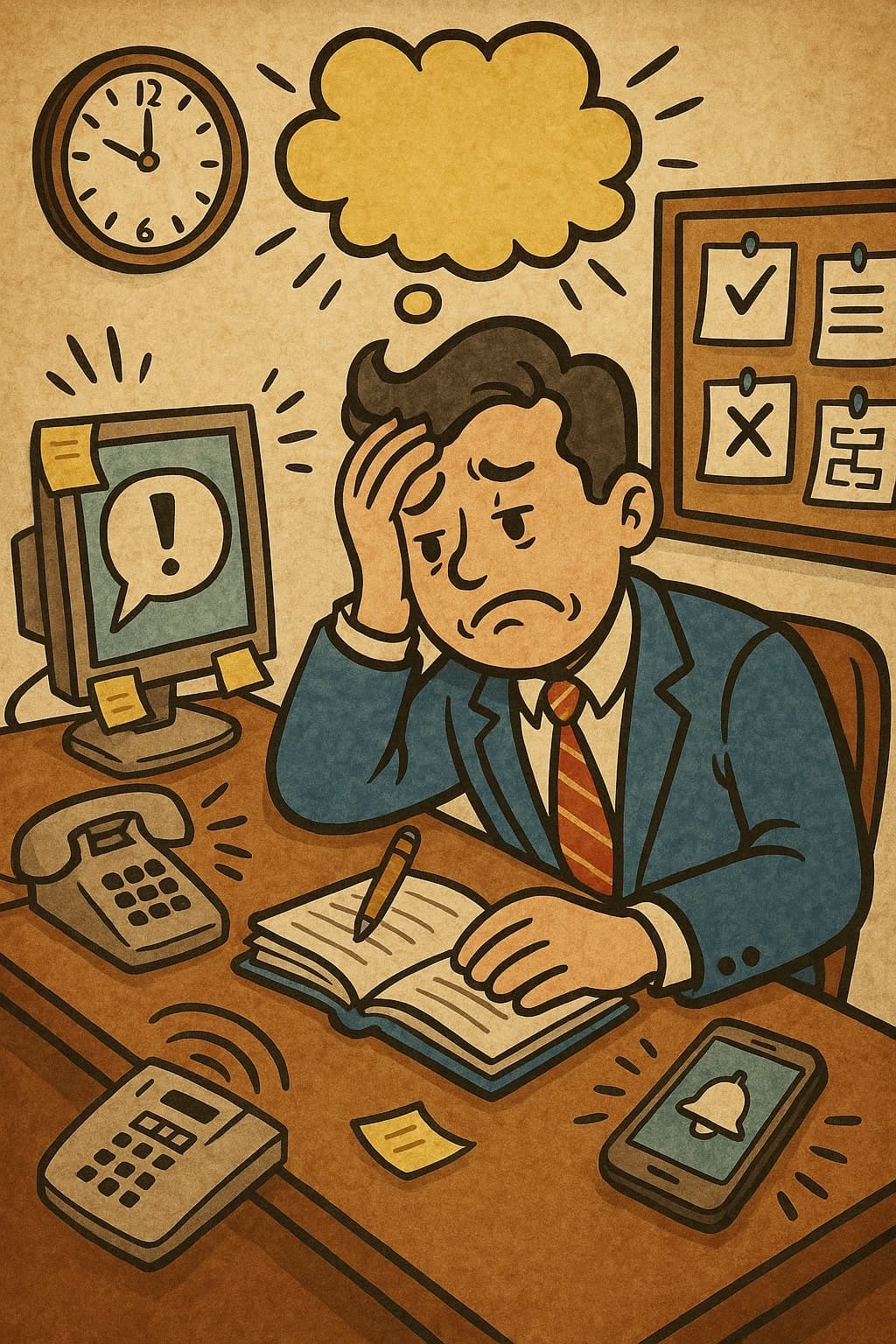
Here's the problem: the digital workplace is practically designed to prevent flow.
- Flow needs 10-15 minutes of uninterrupted focus to begin. The average knowledge worker is interrupted every 15-20 minutes which we have all experienced. You know, that "I was just getting started" feeling.
- Flow thrives on a single clear objective. Most of us juggle multiple projects simultaneously.
- Flow depends on control over your attention. We've surrendered this to notifications, open offices, and "always-on" expectations.
Creating Your Flow
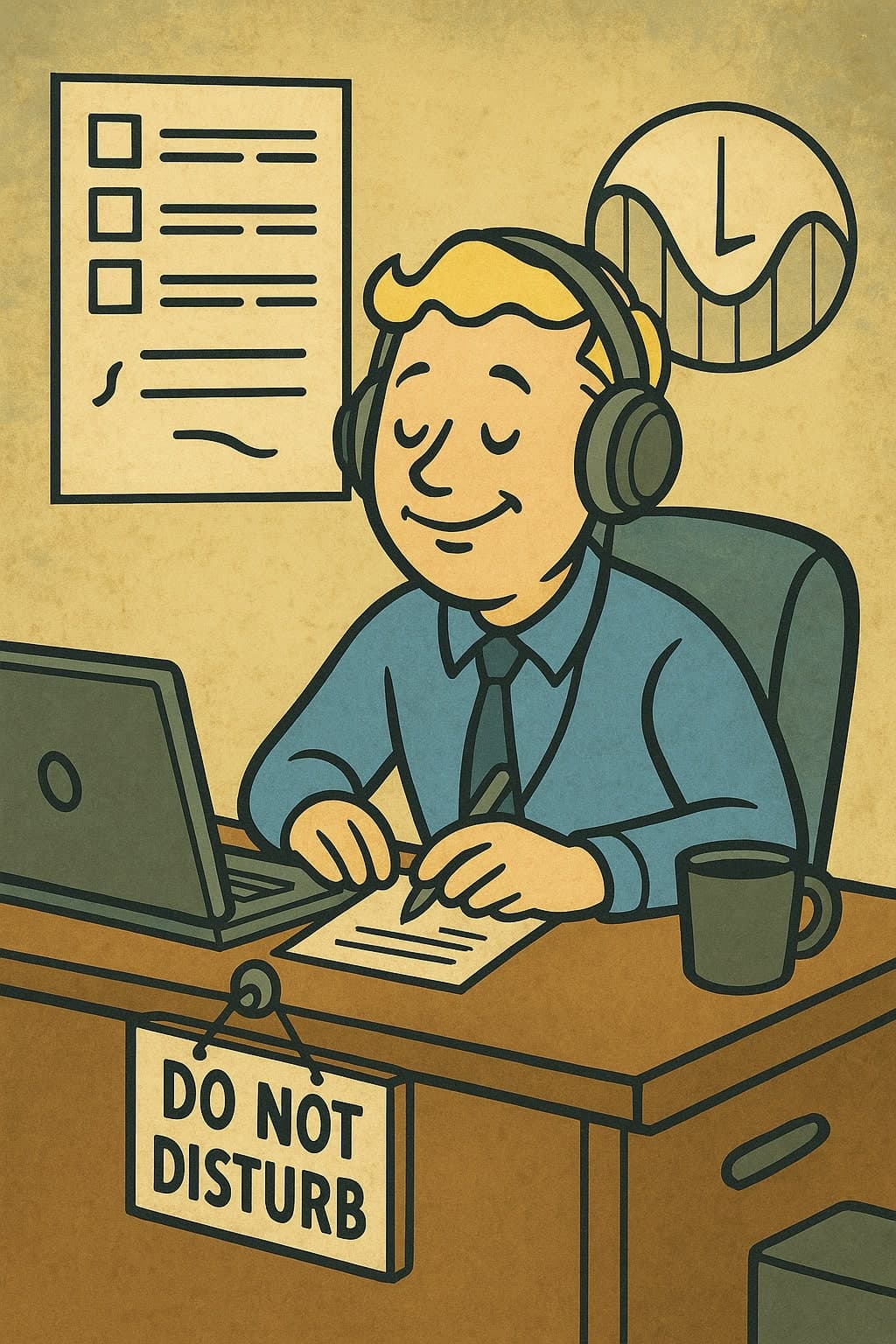
You can't force flow, but you can create conditions where it's more likely to appear:
- Create a "Do Not Disturb" ritual – Signal to yourself and others that you're entering deep work mode. This might be as simple as putting on headphones or closing your office door.
- Batch small tasks – Group administrative work, emails, and meetings together to protect larger blocks for flow-friendly work.
- Eliminate unnecessary decisions – Decision fatigue drains the mental energy needed for flow. Simplify recurring choices in your workday.
- Work with your energy cycles – Schedule complex tasks during your personal peak hours (morning for most, but not all).
- Minimize context switches – Each shift between different types of work costs approximately 15 minutes of recovery time before reaching full engagement again.
The Paradox of Pursuit
Here's the curious thing about flow: the harder you directly chase it, the more elusive it becomes. Flow emerges when you're immersed in the process rather than fixated on entering a specific mental state.
"Think of it like trying to fall asleep. The more desperately you try, the more it eludes you. Similarly, flow arrives not through force but through creating the conditions where it can naturally emerge."
Beyond Productivity
While we often discuss flow in terms of performance, its benefits extend beyond getting more done. Regular flow experiences:
- Build resilience that transfers to other life challenges
- Create deeper satisfaction with your work
- Strengthen your sense of identity and purpose
- Improve learning and skill development
Your Turn
The next time you sit down to work, ask yourself: What one small change might create more space for flow in my digital work life? Perhaps it's silencing notifications, protecting a specific time block, or simply choosing a task that sits at the edge of your abilities—challenging but achievable.
Flow isn't just about productivity—it's about experiencing your work as a form of optimal human experience. In a digital landscape designed to fragment attention, finding this current may be the most valuable skill you can cultivate.
Share this: