Imagine this: it's Tuesday morning. Your inbox is overflowing, and your task list seems to have mysteriously doubled overnight. You've been at your desk for nearly two hours, yet somehow, nothing substantial has been crossed off your list. The day is slipping away, one urgent-but-not-important task at a time.
Why is it that despite our best intentions, productivity remains so elusive? And more importantly, how can we reclaim our time and attention in a workplace designed to fragment both?
The Psychology of Productivity
Productivity isn't merely about doing more things faster. At its core, it's about attention management—our scarcest and most valuable resource. The human brain isn't designed for the modern office environment. Our cognitive architecture evolved to handle immediate threats and opportunities in our physical surroundings, not to juggle multiple digital streams of information while maintaining a coherent train of thought.
When we attempt to multitask—switching between email, Slack messages, and actual work—we're not really doing multiple things simultaneously. Instead, we're rapidly toggling between tasks, each switch incurring what psychologists call a "switching cost". These momentary mental reorientations might seem insignificant, but they accumulate, draining our cognitive resources and leaving us feeling exhausted yet unaccomplished.
The Deep Work Revolution
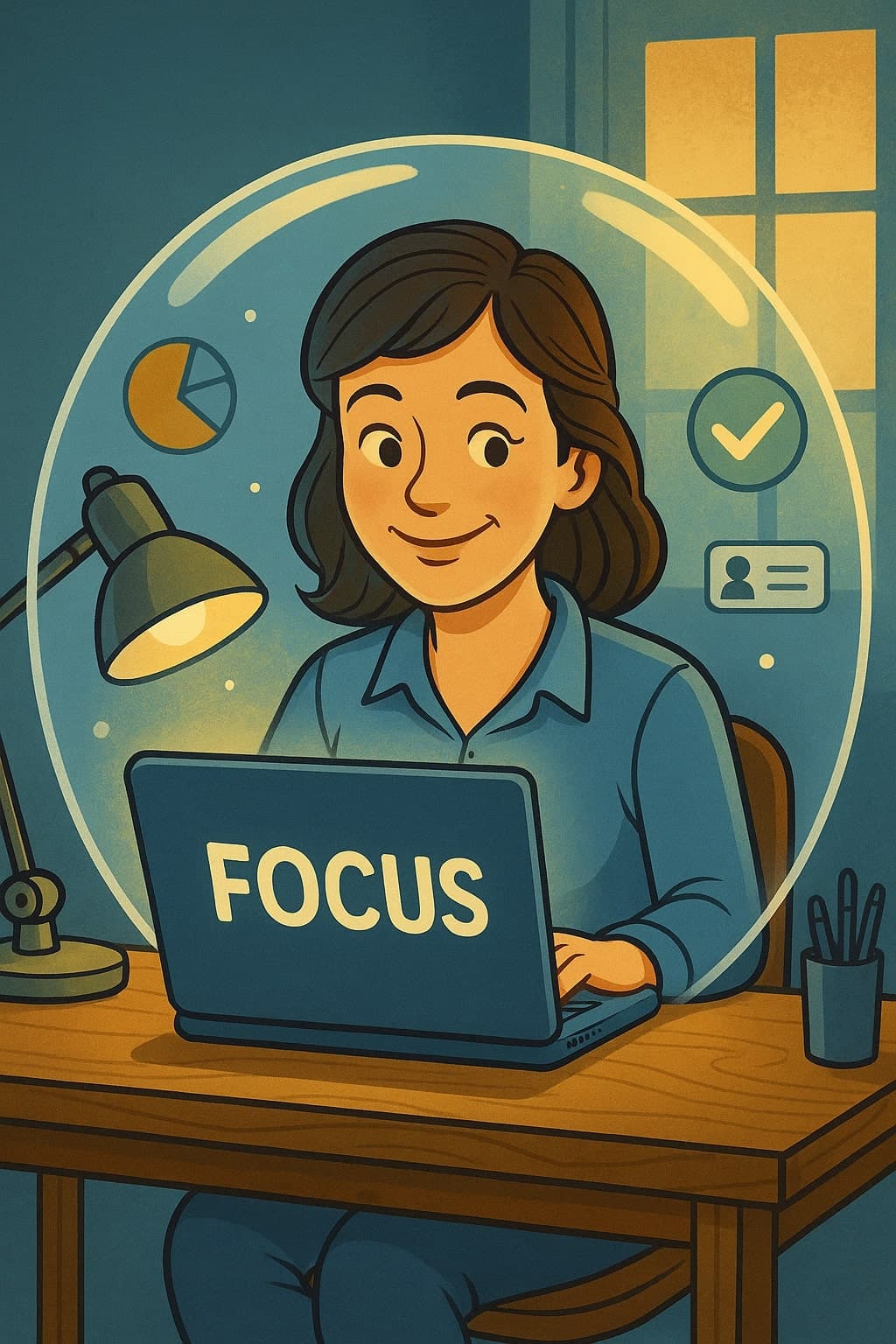
Consider for a moment how different your workday would feel if you could devote three uninterrupted hours to your most important project. No notifications, no meetings, no quick questions from colleagues. Just you and the work that truly moves the needle.
Cal Newport, author of "Deep Work", calls this state of distraction-free concentration "deep work", and argues it's becoming increasingly rare and valuable in our economy. The ability to focus intensely on cognitively demanding tasks gives knowledge workers their greatest advantage—yet our work environments and habits often undermine this very capability.
To cultivate deep work:
- Schedule dedicated focus blocks in your calendar—and defend them as vigorously as you would an important meeting.
- Create environmental triggers that signal "deep work mode" to your brain. This might be a specific location, noise-canceling headphones, or even a ritual that precedes focused work.
- Practice productive meditation during mundane physical activities like walking or showering, focusing your attention on a single professional problem.
The Flexible Framework Approach
Planning isn't about predicting every moment of your day—it's about creating a structure that supports decision-making when the unexpected inevitably arrives. Think of your plan not as a rigid script but as a cognitive scaffold that frees mental resources.
Without any framework, each new email, request, or idea forces us to make decisions from scratch: Is this important? When should I do it? How does it relate to everything else? These micro-decisions accumulate as cognitive load, leaving less mental bandwidth for substantive work.
A flexible planning approach, by contrast, gives you ready-made categories and criteria. The Eisenhower Matrix, for instance, provides a simple decision tree: Is this urgent? Is it important? The answers immediately suggest where a task belongs in your workflow.
Similarly, time blocking—allocating specific time slots to different types of work—becomes powerful when you pair it with buffer zones. These intentional spaces between blocks absorb the inevitable overflow and allow for responsive pivoting without derailing your entire day.
Perhaps most importantly, a flexible framework acknowledges reality: plans will change. The difference is whether those changes happen intentionally, with clear criteria, or reactively, driven by whatever feels most pressing in the moment.
The Tool Trap
In our quest for productivity, it's tempting to believe the next app or system will finally solve our efficiency problems. We download task managers, time trackers, and focus apps, only to abandon them weeks later when they fail to deliver the promised transformation.
This cycle occurs because tools address the symptoms rather than the cause of productivity challenges. Before adopting any new system, ask yourself:
- What specific friction point am I trying to address?
- Does this tool require more maintenance than the problem it solves?
- Does it align with my natural working style or force me into unnatural behaviours?
The most powerful productivity tools often don't feel like productivity tools at all—they simply remove barriers between you and your most important work. This has always been our goal at ProjectAllie.
The Attention Audit
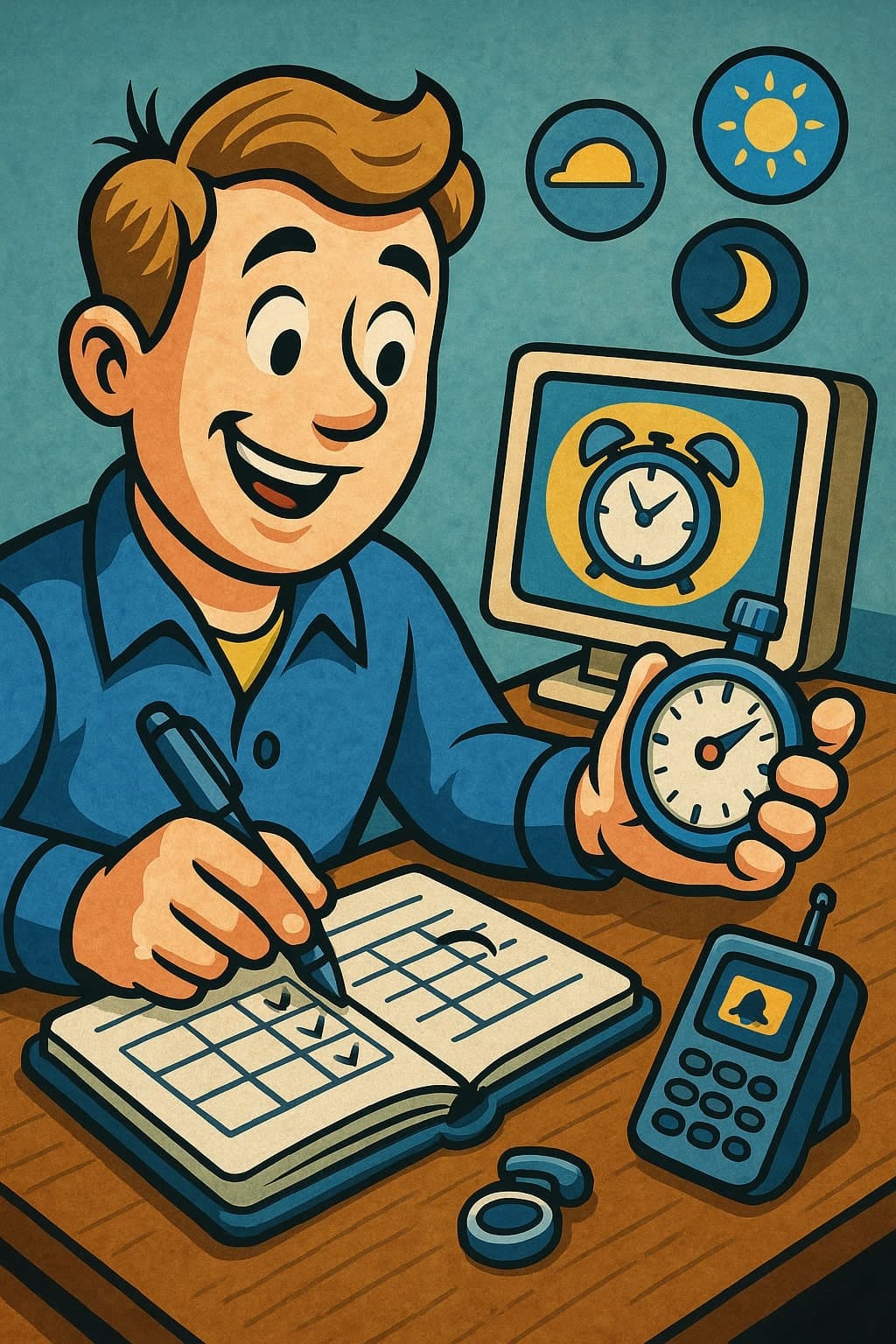
One underused yet powerful productivity practice is the attention audit. For one week, track how you actually spend your time, not how you think you spend it. Note when you feel most focused and energized, when your attention wanders, and what triggers those shifts.
To implement an attention audit without overwhelming yourself:
- Use the timeblock method: Every hour, take 30 seconds to jot down what you actually did versus what you planned to do. Use a simple rating (1-5) for your focus level during that period.
- Deploy the interruption tracker: Keep a small notebook or digital note where you record each interruption—both external (colleague questions, notifications) and internal (your mind wandering to another task).
- Try the energy mapping technique: Three times a day (morning, midday, late afternoon), record your energy level and what type of work you're doing.
- Use app trackers strategically: For one week, install a screen time or app usage tracker, but focus only on work-related applications.
This data becomes invaluable for designing a personalized productivity approach. Perhaps you'll discover that your creative thinking peaks in late morning, or that administrative tasks are best handled in short bursts throughout the day rather than in a single block.
The Art of Strategic Incompletion
Counterintuitively, one of the most powerful productivity techniques is strategic incompletion—deliberately leaving certain tasks unfinished at natural breaking points. The Zeigarnik effect, named after psychologist Bluma Zeigarnik, suggests that unfinished tasks maintain a privileged place in our memory compared to completed ones.
The Social Dimension of Productivity
Productivity isn't just an individual pursuit—it's deeply influenced by our social environment. Research shows that performance expectations are contagious; we unconsciously calibrate our effort level to match those around us.
This suggests two powerful strategies:
- Carefully curate your work community. Seek out colleagues who model the focus and output you aspire to achieve.
- Make your productivity commitments public. Accountability partners or teams can dramatically increase follow-through on intentions.
The Well-Being Connection
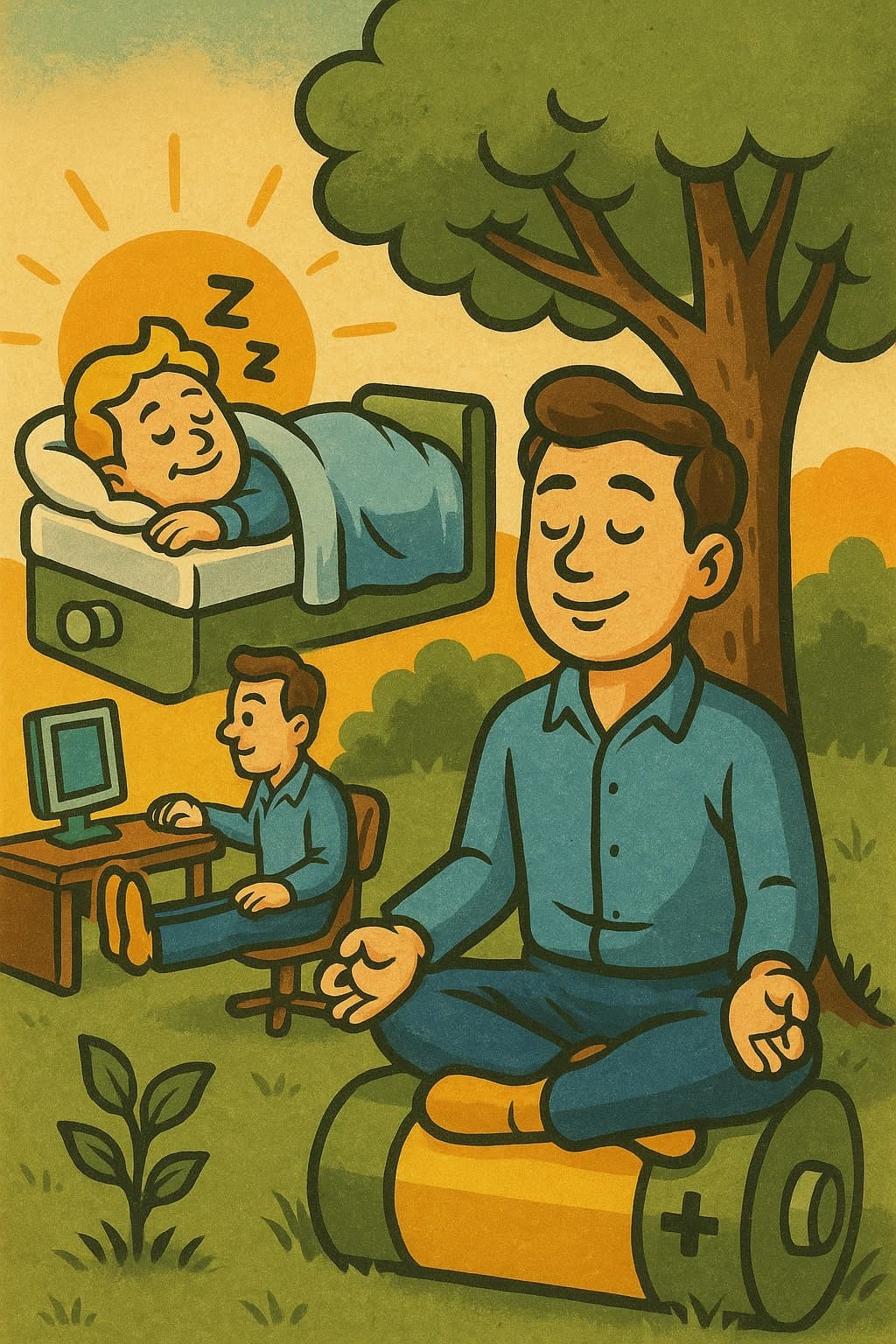
Perhaps the most overlooked aspect of sustainable productivity is the intimate connection between performance and well-being. Sleep deprivation, chronic stress, and physical inactivity don't just harm health—they directly impair cognitive function.
The most effective knowledge workers increasingly view rest not as productivity's opposite but as its foundation. They prioritize sleep quality, incorporate movement throughout the workday, and practice deliberate recovery strategies like meditation or nature exposure.
When considering your approach to productivity, remember this fundamental truth:
"True productivity isn't a sprint—it's a marathon that requires sustainable pacing. The most accomplished knowledge workers aren't those who occasionally achieve heroic bursts of output, but those who consistently deliver meaningful work over time."
Final Thoughts
This sustainability requires honest self-awareness: recognizing your cognitive limitations, energy fluctuations, and the environments that either support or undermine your best thinking. It demands that we question the cultural narrative equating busyness with value, and instead measure our contributions by their impact rather than their volume.
What emerges from this approach isn't just better work, but a more satisfying relationship with work itself. By designing systems that honour your cognitive nature rather than fighting against it, productivity transforms from a constant struggle into a natural expression of your capabilities.
The question isn't whether you can do more tomorrow—it's whether you can create conditions where your best work emerges naturally, day after day, without the exhaustion that typically accompanies achievement.
What small shift in your environment or habits might invite this more sustainable relationship with productivity into your life this week?
Share this: