Take a moment to imagine this scene: You reach the end of a to-do list, flick your pen across the final box, and lean back with the satisfaction of a mountaineer cresting the summit. The action is trivial, the consequence negligible, and yet the feeling is unmistakable — a flicker of joy, a small internal "ding!" that somehow makes the day feel worthwhile. But why? Why does this simple act — marking a task as "done" — induce such a disproportionately potent psychological reward?
To answer that, we need to take a short stroll through the architecture of the human mind — specifically, the mind as designed by evolution and prone to the peculiarities of our neural economy.
Zeigarnik Effect: The Pull of Unfinished Tasks
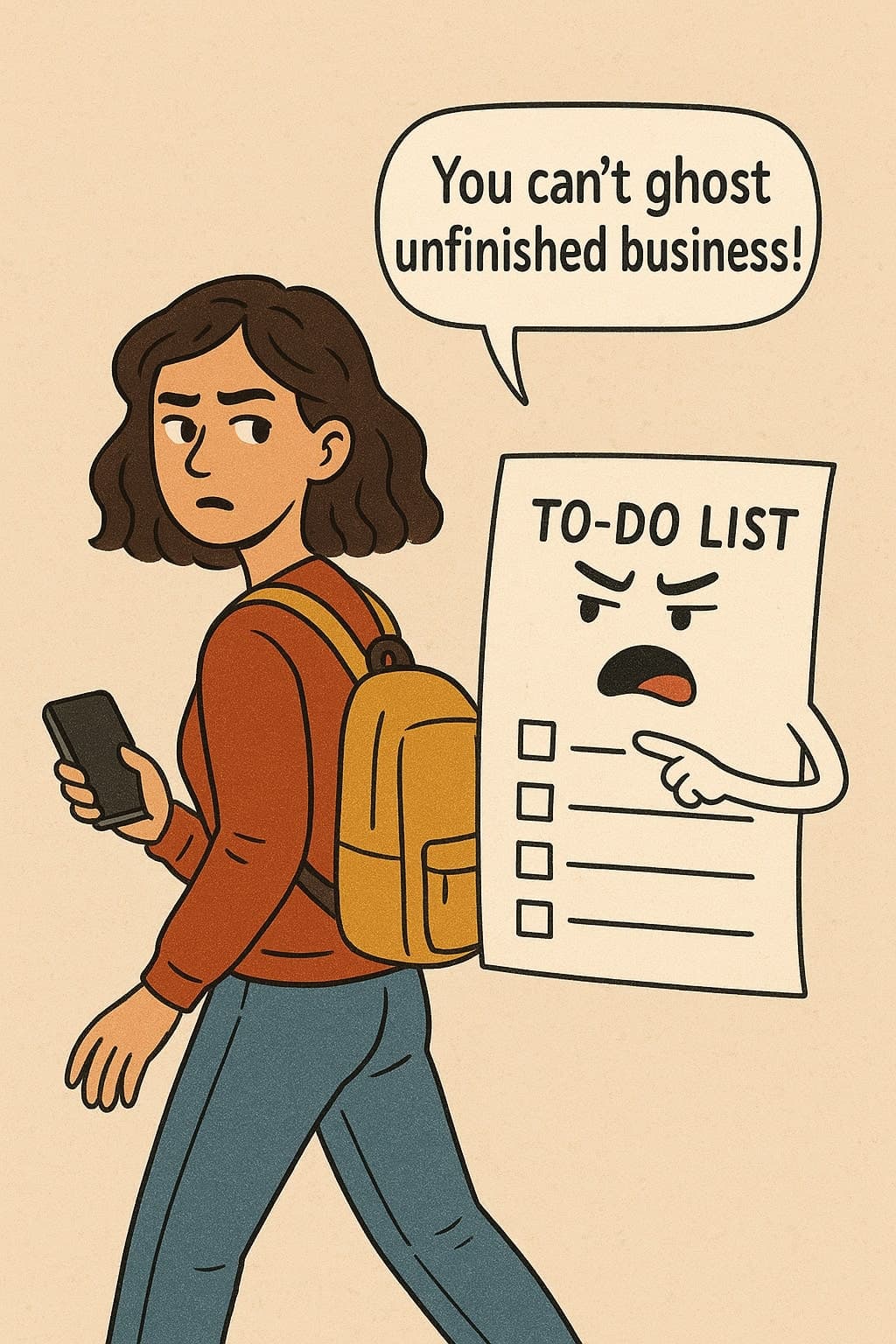
Human cognition abhors a vacuum. Or, to put it less melodramatically, our brains are equipped with what psychologists call the Zeigarnik Effect: the tendency to remember unfinished tasks more vividly than completed ones. The implication is clear — the human mind is a goal-oriented system that keeps "open loops" front and center until it can resolve them.
This is no accident of biology; it's a feature, not a bug. Our Paleolithic ancestors who remembered to finish tanning the hide or sharpening the spear had a reproductive advantage over those distracted by philosophical musings about the sunset.
In that sense, checking off a task provides a microdose of cognitive closure — a neural exhale that says, "Loop closed, file archived, system clear."
The Neurochemistry of a Tick Mark
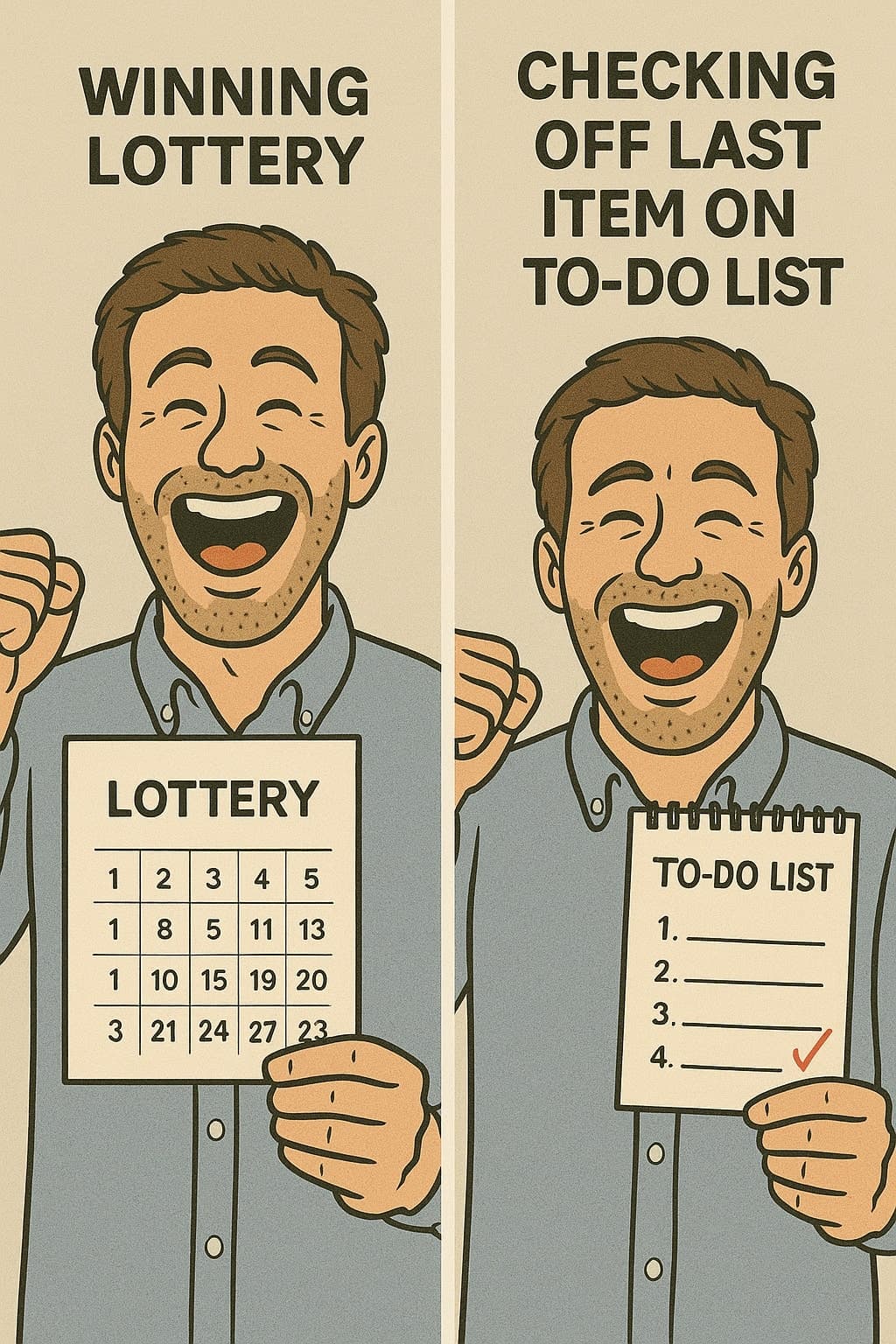
Beneath the phenomenology lies a cascade of neurotransmitters. Chief among them is dopamine, often miscast as the molecule of pleasure. It is more accurately the molecule of anticipated reward — the engine of goal pursuit. But when a task is completed, especially one that has loomed in working memory, the dopamine surge feels like a signal of progress, a neon "GO!" sign for the brain's motivational circuitry.
That small stroke of the pen or tap of the app triggers a spike in perceived agency — the sense that one is not a leaf in the wind of entropy, but a competent agent taming chaos with a list.
Cognitive Offloading: Lists as External Brains
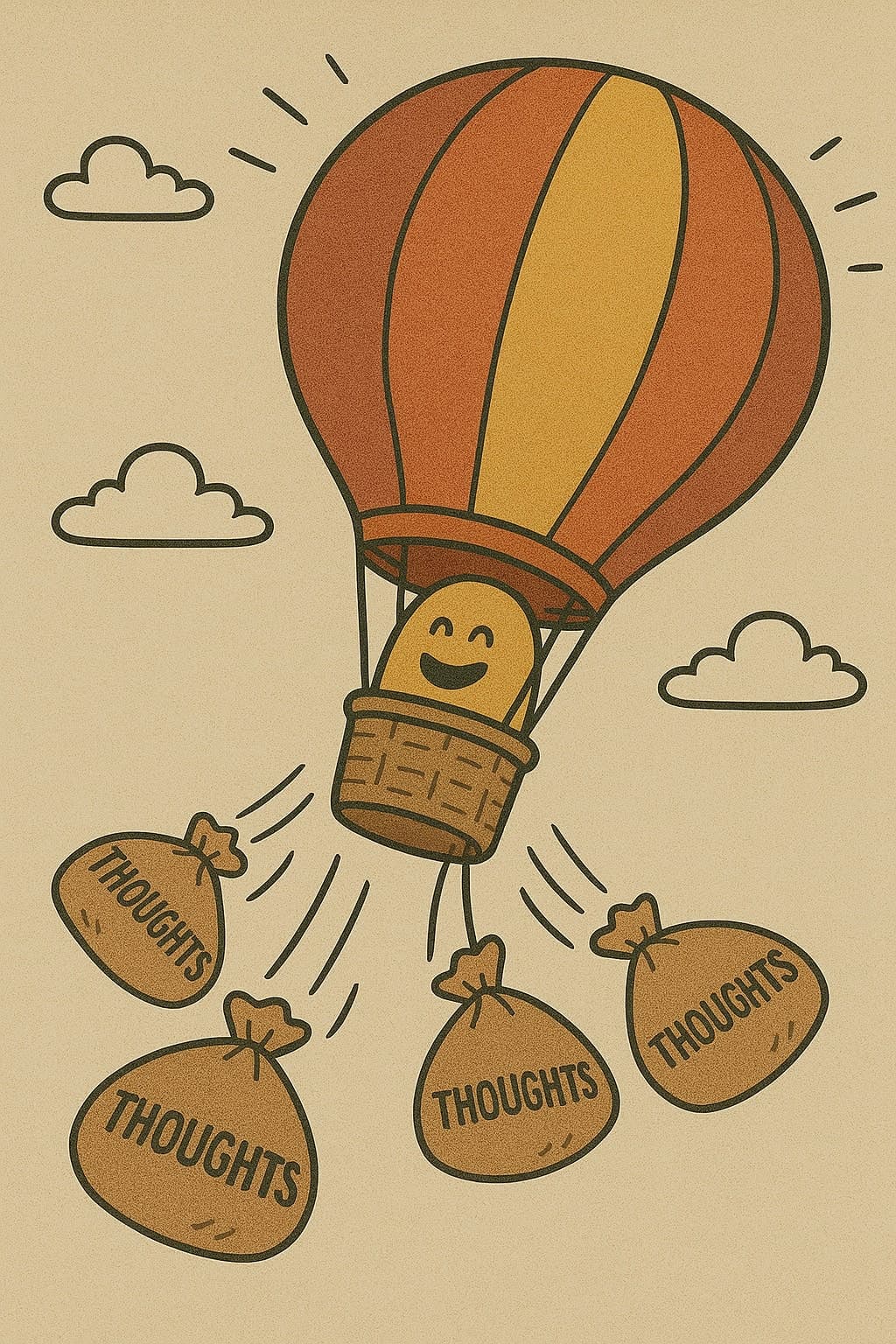
Here we enter the realm of the extended mind — the thesis that our cognition is not confined to the wetware of the brain but is distributed across tools, symbols, and artifacts. A to-do list, in this light, is a cognitive prosthesis — a way to unburden the working memory, which, according to most estimates, can only hold about 4 ± 1 items at once.
When we write tasks down, we are, in effect, outsourcing part of our executive function. And when we check them off, we are feeding the illusion — but also the reality — that we are in control of that externalized mindscape.
Ritual of Completion: Task as a Threshold
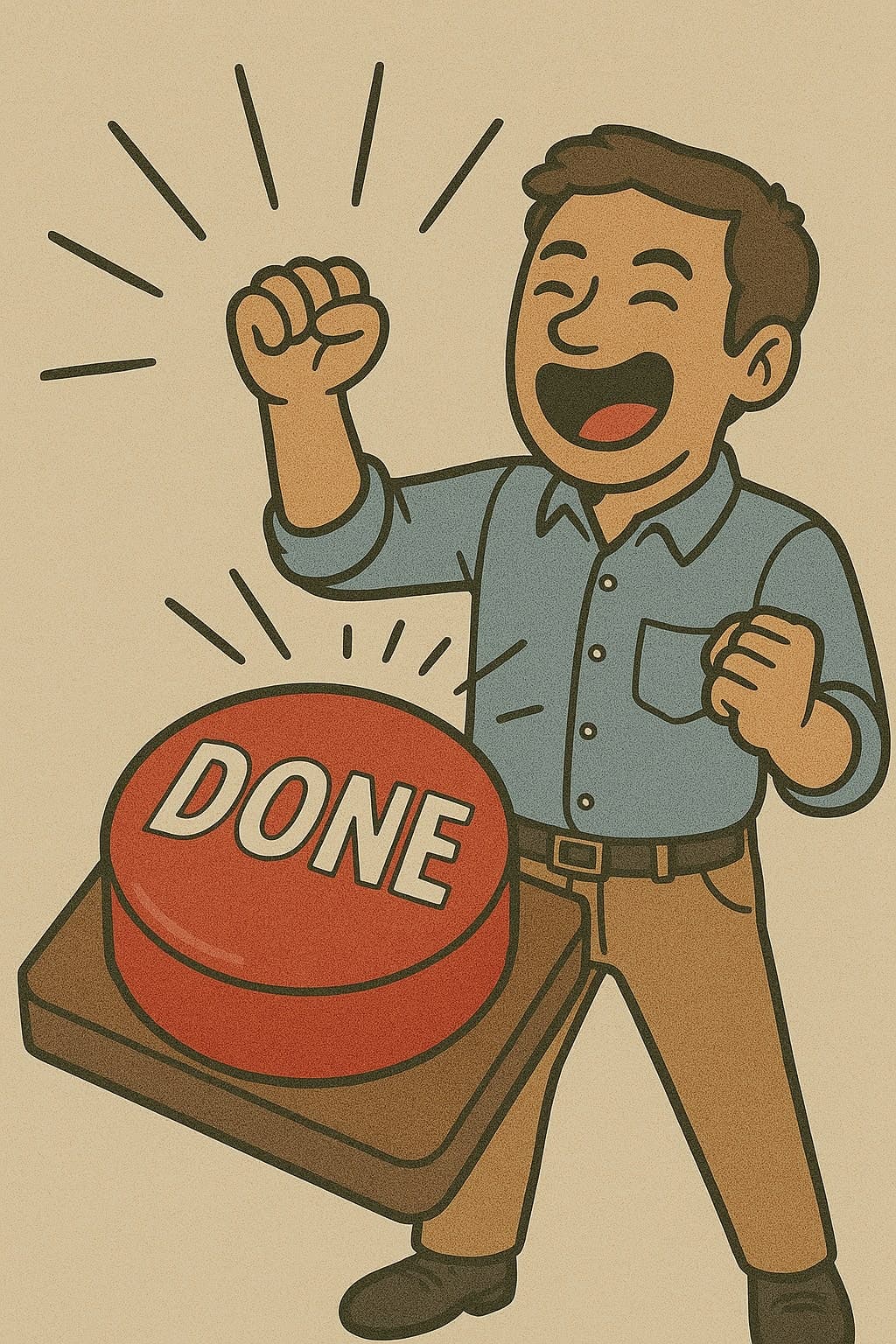
There is also something ritualistic about it — the ceremonial aspect of drawing a line through a task, akin to crossing a threshold. Anthropologists have long noted that rituals confer structure on disorder. They transform the arbitrary into the meaningful. And what is a completed task if not a small ritual of transformation — from the unmanifest to the manifest, from potential to actual?
These rituals of completion serve as important milestones in our daily lives, providing a sense of accomplishment that drives us forward. The symbolic act of marking something as done becomes a powerful moment of transition and achievement.
Modern Life and the Tyranny of the List

Of course, like many tools, the list can turn on its master. When the dopamine hit becomes addictive, or when the list metastasizes into a source of existential guilt, we confront what might be called the tyranny of completion — the sense that worth is measured not by depth of thought or quality of life, but by the tally of ticks at day's end.
This is where a little metacognition is in order. Not every task deserves a checkbox, and not every day should be scored like a batting average. The point is not to reduce life to a series of completions, but to use completion as a lens — a way to understand the mind's quest for order in a world of entropy.
Final Thoughts
Our relationship with task completion reveals much about our cognitive architecture and emotional needs. Finding balance between productivity and presence remains essential.
"So the next time you cross off a task, pause for a beat. What you're feeling is not just relief. It's your brain — a marvel of evolutionary engineering — performing an ancient victory dance on the battlefield of unfinished business. And in that moment, with a single satisfying stroke, chaos yields, if only slightly, to structure."
Share this: