Most people approach learning like they're trying to boil the ocean. They dive in, flail around for a few weeks, then quit when they don't see immediate results. Sound familiar?
Here's the thing: learning isn't about time invested—it's about how you invest that time. After studying the learning methods of world-class performers in everything from chess to tango, certain meta-patterns emerge that separate rapid learners from everyone else.
The difference? They're not smarter. They're just using a better operating system.
The 80/20 of Skill Acquisition

Let's start with the foundation: The Pareto Principle applies to learning just as it does to business. Roughly 20% of the possible skills/techniques in any domain will give you 80% of the results.
Take language learning. Analysis of the most common words in Spanish reveals that the top 100 words make up about 50% of all written material. The top 1,000? That gets you to 80%. Yet most language courses teach colors and zoo animals in week one.
The key question: What are the highest-frequency building blocks that will give you disproportionate returns?
The DiSSS Method
This framework, popularized by Tim Ferriss, emerged from studying hundreds of world-class performers. It's deceptively simple:
- Deconstruction: What are the minimal learnable units?
- Selection: Which 20% of those units give 80% of outcomes?
- Sequencing: What's the optimal order for learning?
- Stakes: How do you create consequences and accountability?
Let's break each down with real examples.
Deconstruction: The Lego Blocks

Every complex skill is made of simpler components. Your job is to find them.
Swimming, for instance, isn't one skill—it's breathing, body position, catch, pull, recovery, and kick. Attack each component systematically and the whole becomes manageable.
Action step: Take your target skill and break it into 5-10 sub-skills. Can't do it? You haven't deconstructed enough.
Selection: The Lead Domino
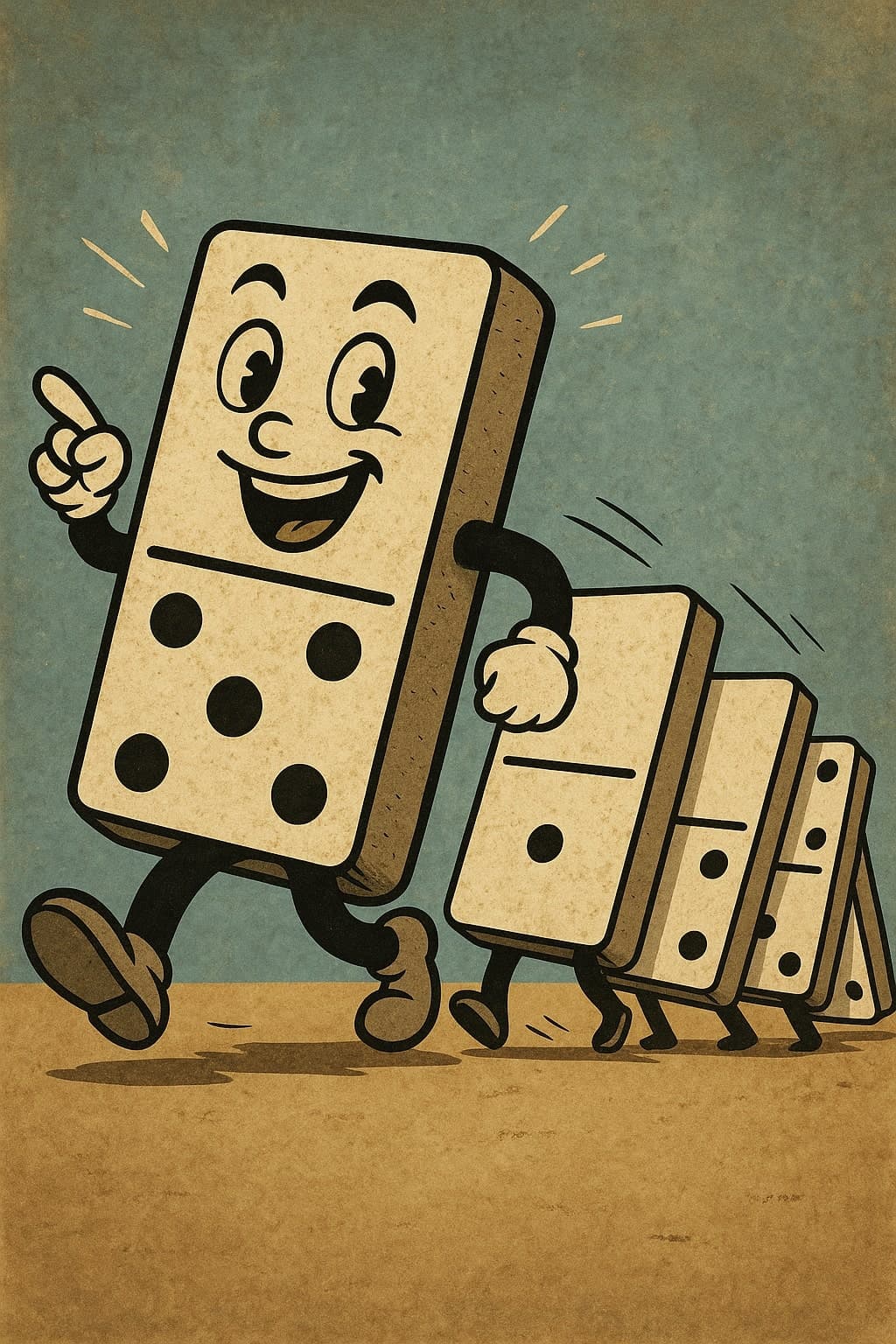
This is where most people fail. They try to learn everything instead of the right things.
When Josh Waitzkin (chess prodigy and subject of "Searching for Bobby Fischer") teaches chess, he doesn't start with openings like 99% of instructors. He starts with king and pawn endgames. Why? Because it teaches the fundamental power relationships between pieces without the complexity. It's the 20% that unlocks everything else.
Action step: Interview 3-5 people who've achieved what you want. Ask: "If you had to teach someone to be 80% as good as you in 4 weeks, what would you focus on?"
Sequencing: Order Matters
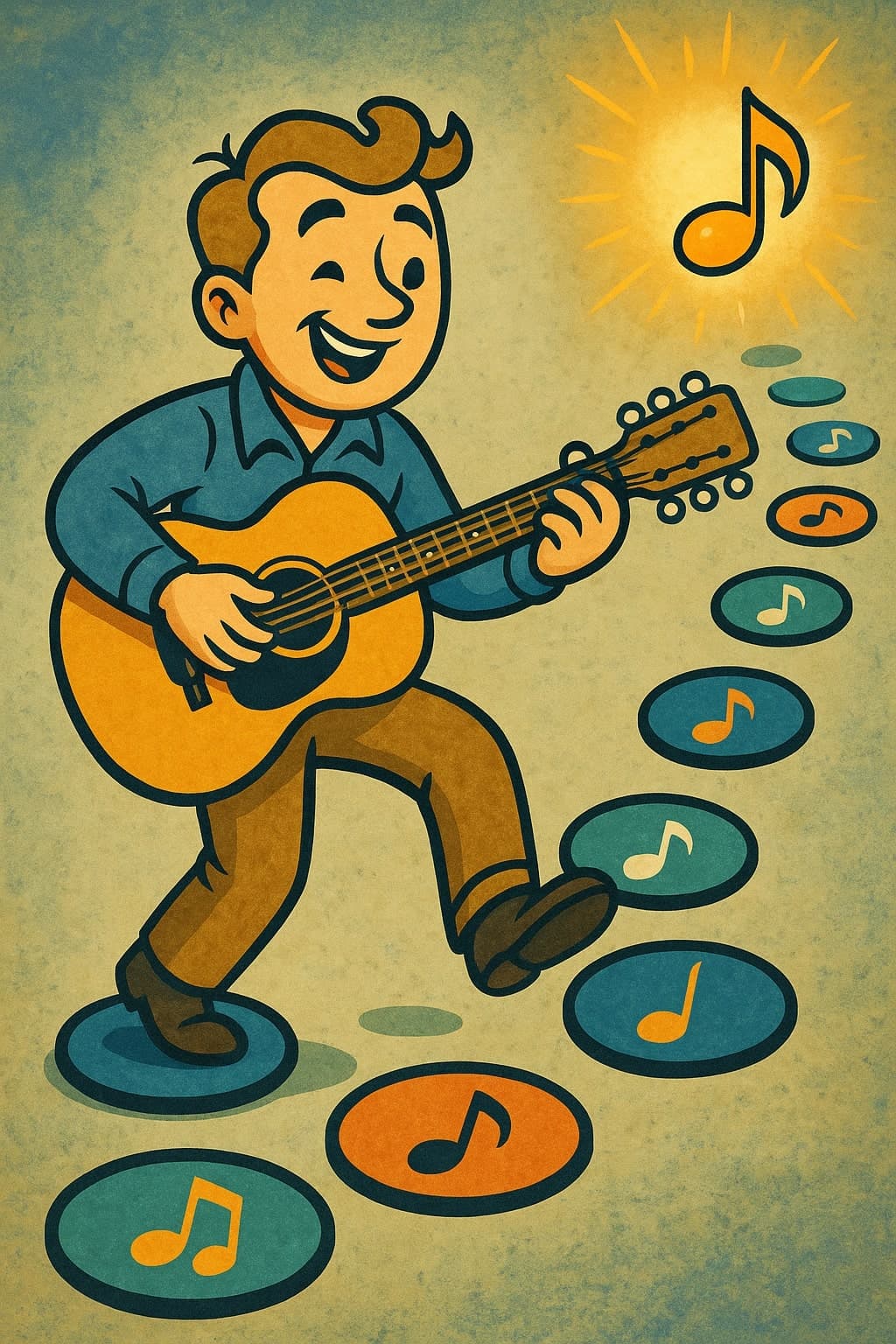
The sequence can make or break your learning curve.
Traditional guitar instruction starts with chords. But fingerpicking patterns might give faster wins and build motor patterns more efficiently. Students have gone from zero to playing songs in under 48 hours with proper sequencing.
Action step: Question the traditional sequence. Often, it exists for the teacher's convenience, not optimal learning.
Stakes: Skin in the Game

Without consequences, we don't commit. This is human nature, not a character flaw.
One polyglot learned Japanese by booking a trip to Tokyo and prepaying for a speaking engagement—in Japanese. Three months out. The potential embarrassment was a better teacher than any textbook.
Action step: Create a commitment device. Put money on the line. Book the performance. Tell everyone what you're doing. Make retreat more painful than persistence.
The Deliberate Practice Revolution
Once you have your framework, you need deliberate practice. But not the way most people think.
The majority confuse activity with productivity. They put in hours without improvement. Here's what actually works:
- 1
The Minimum Effective Dose (MED)
More isn't better. Better is better.
Dr. K. Anders Ericsson's research on deliberate practice shows that world-class performers rarely practice more than 4-5 hours daily. Beyond that, returns diminish and bad habits form.
For most skills, 20-30 minutes of intense, focused practice beats 2 hours of mindless repetition.
- 2
The Serial Position Effect
We remember the beginning and end of practice sessions best. So create more beginnings and endings.
Instead of one 60-minute session, try four 15-minute sessions with breaks. You'll retain more and maintain higher focus.
- 3
The Failure Quota
If you're not failing, you're not learning at the edge of your ability.
Set a daily failure quota. Basketball coaches have players attempt shots from increasingly difficult positions until they miss 20 in a row. Then dial back one step. That's the growth zone.
Case Study: The Two-Week Tango
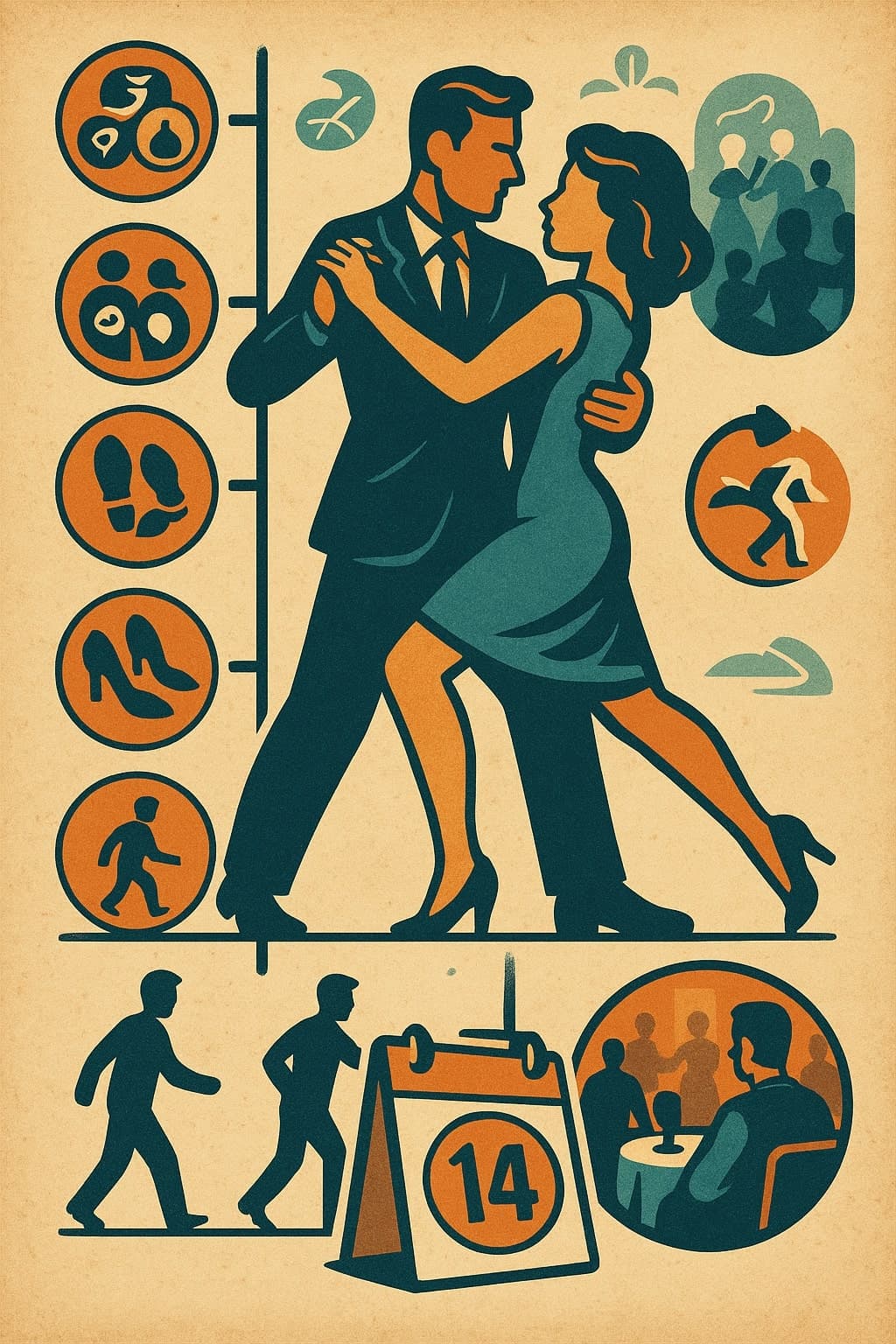
Here's how these principles work in practice.
A complete beginner went to Buenos Aires knowing zero tango. Two weeks later, they were dancing in milongas with locals. The exact process:
- Deconstruction: Identified 6 basic movements that formed 95% of social tango.
- Selection: Focused only on the follower's role first (simpler, reactive rather than creative).
- Sequencing: Learned to walk before learning to turn. Sounds obvious? Tell that to every dance class that starts with complex 8-count patterns.
- Stakes: Prepaid for a performance at a milonga on day 14.
Result: Functional fluency in 14 days, versus the typical 6-12 months.
The Meta-Learning Multiplier

Here's where it gets interesting. Every skill you acquire makes the next one easier—if you're paying attention to the process.
Document your learning. What worked? What didn't? What would you do differently?
Keep a learning journal with these categories:
- Initial assumptions (usually wrong)
- Breakthrough moments (and what caused them)
- Dead ends (saves time next round)
- Transferable principles
This reflection is the difference between 10 years of experience and 1 year repeated 10 times.
Your 30-Day Challenge
Theory is worthless without application. Here's your homework:
- 1
Pick one skill you've been putting off
- 2
Apply DiSSS this week (spend 2 hours max on research)
- 3
Commit publicly to a demonstration in 30 days
- 4
Practice 30 minutes daily using the principles above
- 5
Document everything
Share your results with friends or online communities. The best transformations often come from public accountability.
The Bottom Line
Learning quickly isn't about being gifted. It's about being strategic.
While everyone else is reading another book about their target skill, you could be deconstructing it. While they're overwhelming themselves trying to learn everything, you could be mastering the critical 20%. While they're practicing mindlessly, you could be deliberately pushing your edges.
"The people who seem to learn 'naturally'? They're just using better software."
Time to upgrade yours.
What skill have you been putting off because it seems "too hard" or would take "too long"? The frameworks above might just change your perspective.
Share this: