Imagine your brain had a backup drive. One that remembered all your best ideas, perfectly organized thoughts, and that quote from a podcast you loved three months ago. That's the essence of the Second Brain: a personal knowledge system that captures your insights so you can use them when you need them—without frying your actual brain in the process.
The Second Brain concept, popularized by Tiago Forte, is less about building some high-tech digital fortress and more about developing a calm, confident relationship with information. It's about getting ideas out of your head and into a system you trust. If your physical desk has drawers, your digital brain should too.
Why Build a Second Brain?
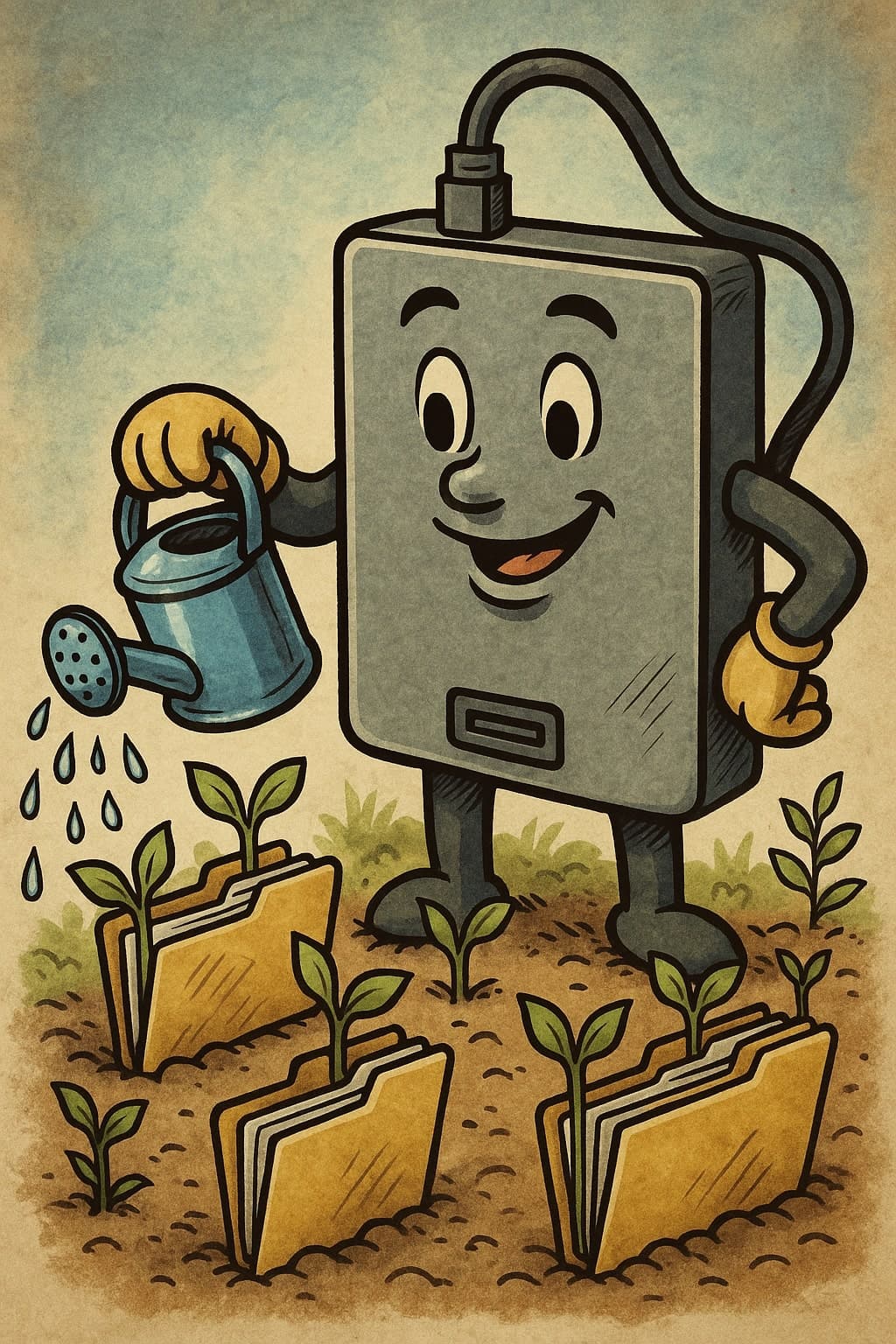
Your brain is a brilliant factory, not a storage unit. Its job is to process, create, and imagine—not to remember every detail of every meeting, article, or fleeting thought. Offloading this mental clutter to an external system frees up cognitive energy (research on cognitive off-loading). That's where the Second Brain shines: it becomes your personal, searchable archive of everything that matters.
But the true beauty? It grows with you. Over time, it becomes a reflection of your evolving interests, goals, and experiences. It's like a digital garden where your best ideas can grow, cross-pollinate, and bloom.
The CODE Framework
Forte's methodology revolves around a simple but powerful acronym: CODE. It stands for:
- Capture
- Organize
- Distill
- Express
Let's break that down. See full breakdown
1. Capture
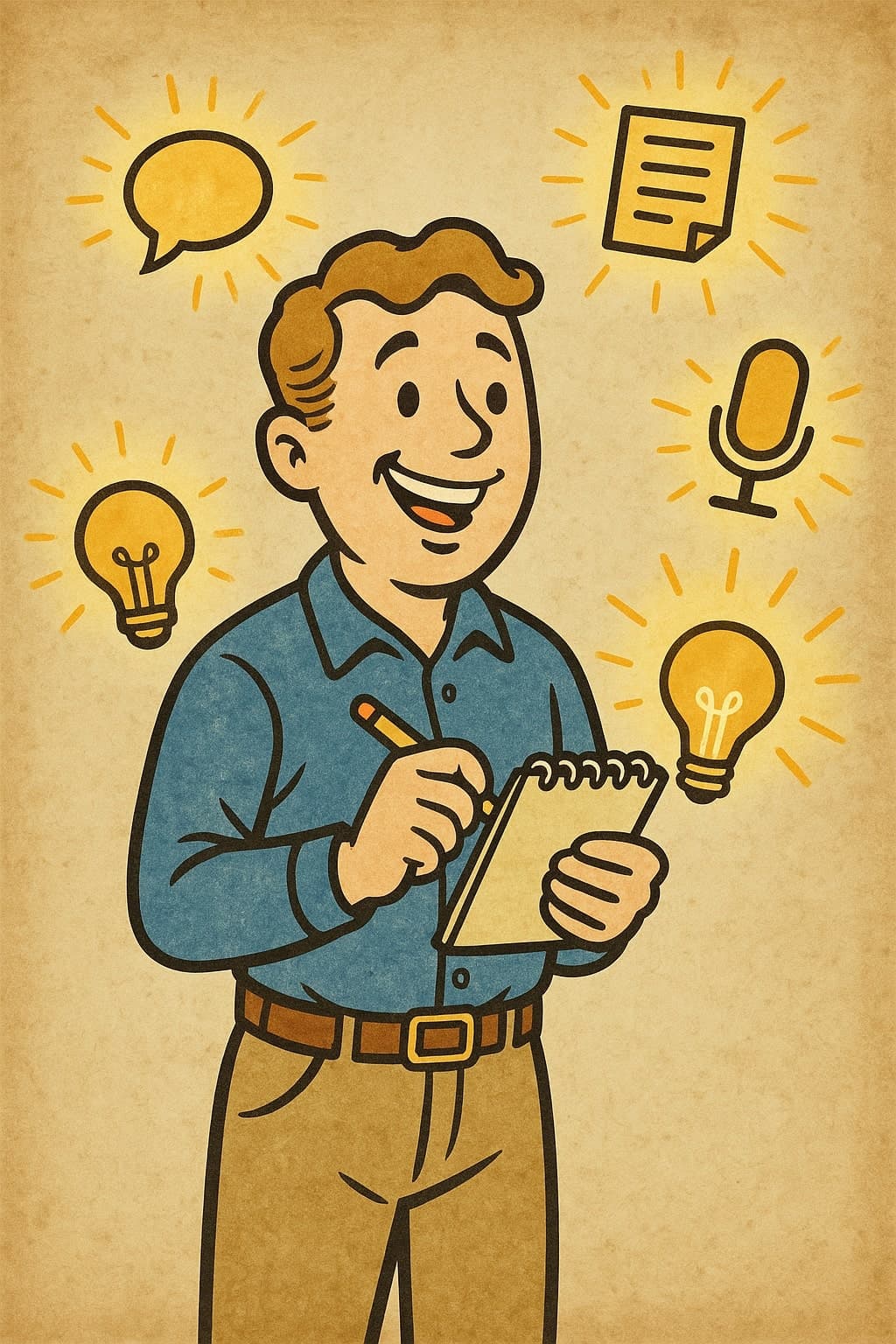
Everything starts with capturing. Whether it's a tweet, article, voice memo, or even a late-night epiphany in the shower—get it down. Don't judge or edit yet. Just collect. Tools like Notion, Evernote, or Obsidian are fantastic for this. Even a simple Apple Notes folder can become a treasure trove.
The point is to grab things when they're fresh. Great ideas are slippery. If you don't catch them fast, they'll vanish like your dream five minutes after waking up.
2. Organize
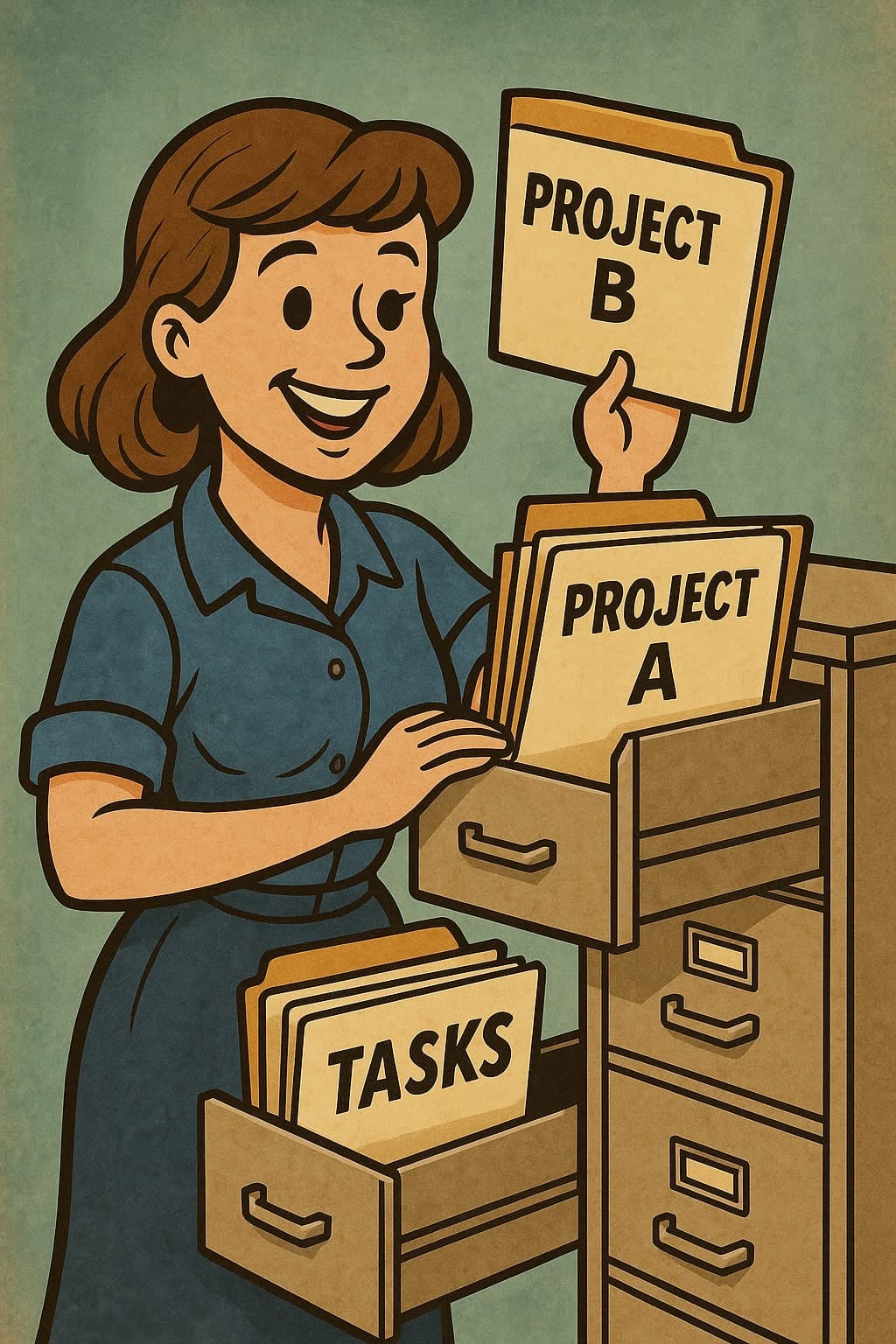
Once you've got a pile of raw material, it's time to give it a home. Forte recommends organizing notes by projects, not topics. Why? Because projects have deadlines, deliverables, and motivation built in.
Organizing this way means when you open your notes app, you're not lost in a sea of random quotes and half-finished ideas. You're immediately seeing the info relevant to what you're actually trying to do.
This is where project and task management systems like ProjectAllie become invaluable. They serve as scaffolding for your Second Brain. Whether you're managing a freelance gig, planning a move, or writing a book, your task manager becomes the dashboard where goals are translated into action. Linking notes to projects, tasks, and timelines transforms passive information into active, purposeful momentum.
3. Distill
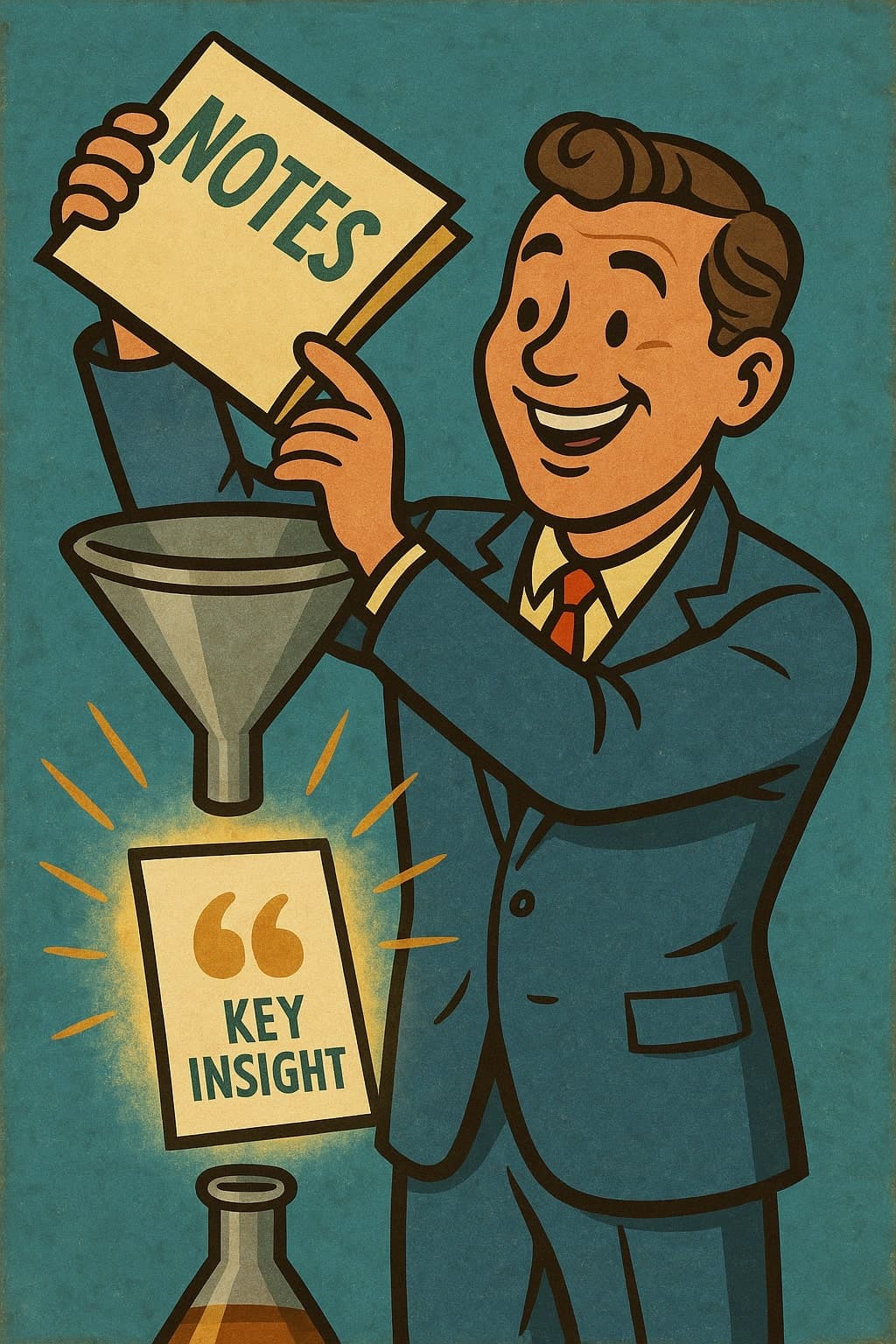
Now that you've captured and filed your insights, it's time to make them usable. That means distilling them down to their essence. Instead of saving an entire 5,000-word article, highlight the one quote that hit you in the gut. Instead of hoarding dozens of meeting notes, summarize the key takeaways.
Distillation is about creating signals from noise. It's what allows your Second Brain to be a source of clarity, not clutter.
A task management system can help here too. By integrating distilled notes into actionable plans, you reinforce learning and avoid redundancy. Notes linked to concrete tasks (like "Prepare pitch deck using insights from last week's research") encourage regular review and reuse. It's not just about remembering ideas—it's about applying them in context.
4. Express
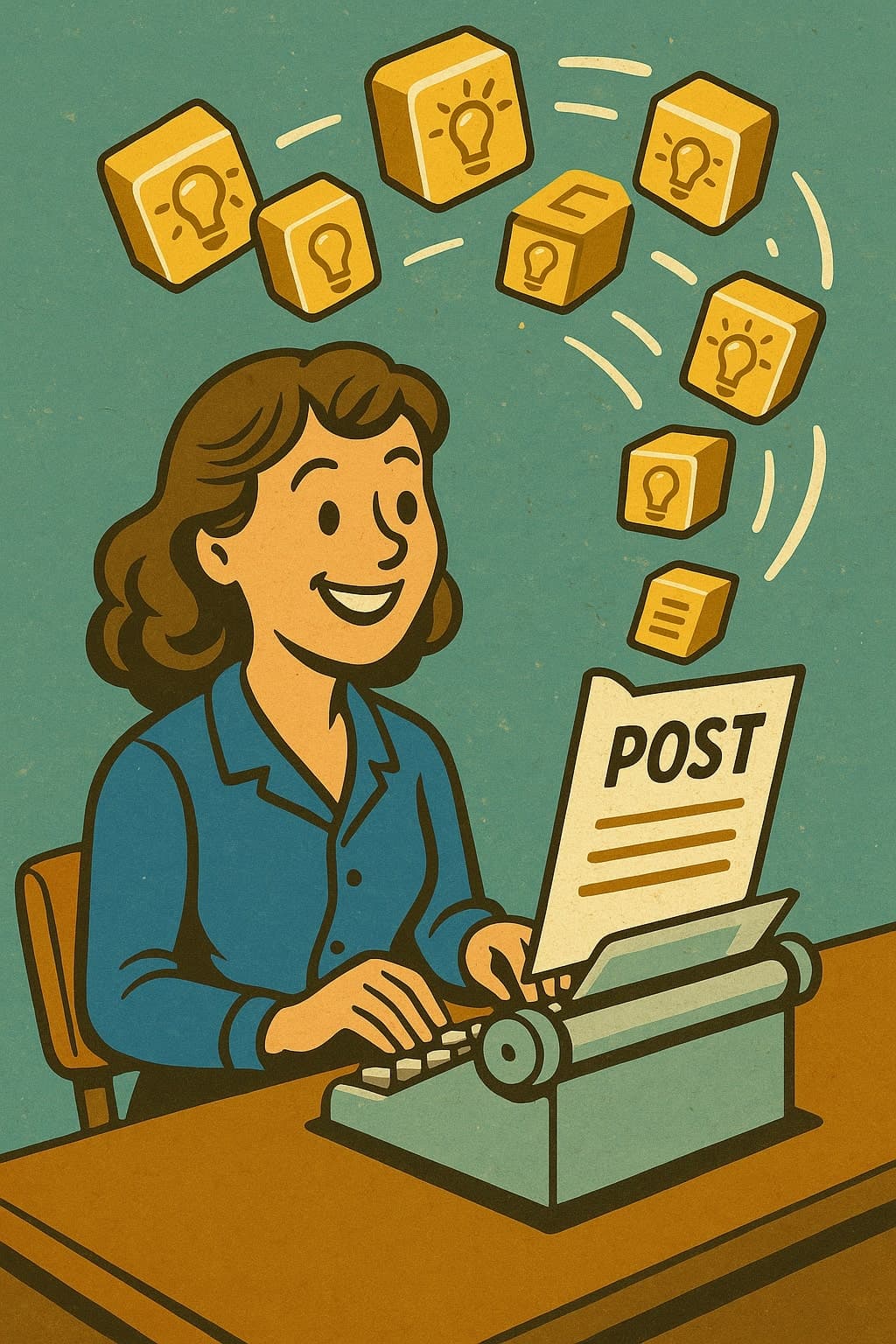
Finally, it's time to share. Creativity isn't about hoarding knowledge; it's about turning it into something new. Write the blog post. Launch the project. Give the talk.
Expression is how your Second Brain pays you back. All those bite-sized ideas and golden nuggets you've curated? They become building blocks for your best work. And because you've already done the heavy lifting through capture, organization, and distillation, expressing your ideas becomes a joy, not a chore.
Keep It Light, Keep It Moving
One of the biggest pitfalls with building a Second Brain is overengineering it. We start with a simple notes folder and suddenly we're knee-deep in nested tags, complex hierarchies, and custom scripts.
Don't fall into that trap. The best system is the one you use. If it takes more time to maintain than it saves, it's working against you.
Focus on flow over friction. Use tools that feel natural. Embrace imperfection. Your Second Brain should feel like an extension of your mind, not a second job.
Building Your Second Brain Today
You don't need to wait for the perfect app or the next productivity hack to get started. Begin today. Here's a quick launch checklist:
- Choose your capture tool.
- Set up a few basic folders by project.
- Start dumping ideas, links, and notes.
- Review weekly. Summarize. Prune. Polish.
- Look for patterns. Use what you find.
Think of your Second Brain as a living system. It doesn't have to be perfect, just present. The more you feed it, the more it feeds you.
Final Thoughts
The Second Brain is more than a productivity trick. It's a way of respecting your own thoughts. Of honoring your future self. Of building a long-term partnership with your mind.
Because the truth is: you're already having brilliant ideas. The question is, will you remember them when they matter most?
Build your Second Brain, and the answer will likely be yes.
Share this: